Getting Started with Math 3.x
- Chapter 9: Getting Started with Math
This is Chapter 9 of Getting Started with OpenOffice.org 3.x, produced by the OOoAuthors group. A PDF of this chapter is available from this wiki page. The PDFs are up to date for the second edition of the book, but not all of the wiki pages for this chapter have been updated yet.
What is Math?
Math is OpenOffice.org (OOo)'s component for writing mathematical equations. It is most commonly used as an equation editor for text documents, but it can also be used with other types of documents or stand-alone. When used inside Writer, the equation is treated as an object inside the text document.
 |
The equation editor is for writing equations in symbolic form (as in equation 1). If you want to evaluate a numeric value, see the Calc Guide. |
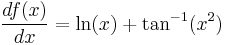 (1)
(1)
Getting started
To insert an equation, choose Insert > Object > Formula.
The equation editor opens at the bottom of the screen, and the floating Formula Elements window (called “Selection” before Math 3.2) may appear. You will also see a small box with a gray border in your document, where the formula will be displayed.

The equation editor uses a markup language to represent formulas. For example, %beta creates the Greek character beta (β). This markup is designed to read similar to English whenever possible. For example, a over b produces a fraction: 
To insert a numbered formula in Writer, type fn then press the F3 key.
Additional Reference
For very basic step-by-step instructions and tutorials for specific tasks, see http://plan-b-for-openoffice.org/math/index

| Content on this page is licensed under the Creative Common Attribution 3.0 license (CC-BY). |

